home · services · T1 · A technical CTO, on the days you need one.
A technical CTO, on the days you need one.
For startups and scale-ups that need senior technical leadership without the full hiring detour. Weekly, monthly, or right before a critical decision (launch, raise, audit).
Most technical mistakes are not engineering mistakes — they are decision mistakes. A fractional CTO gives you senior judgement at the moment it matters, without a 6-month hiring cycle or a full salary. Sized to your stage; available a week after we agree.
Diagnostic
Is this you?
If any of these sound like you — let's talk.
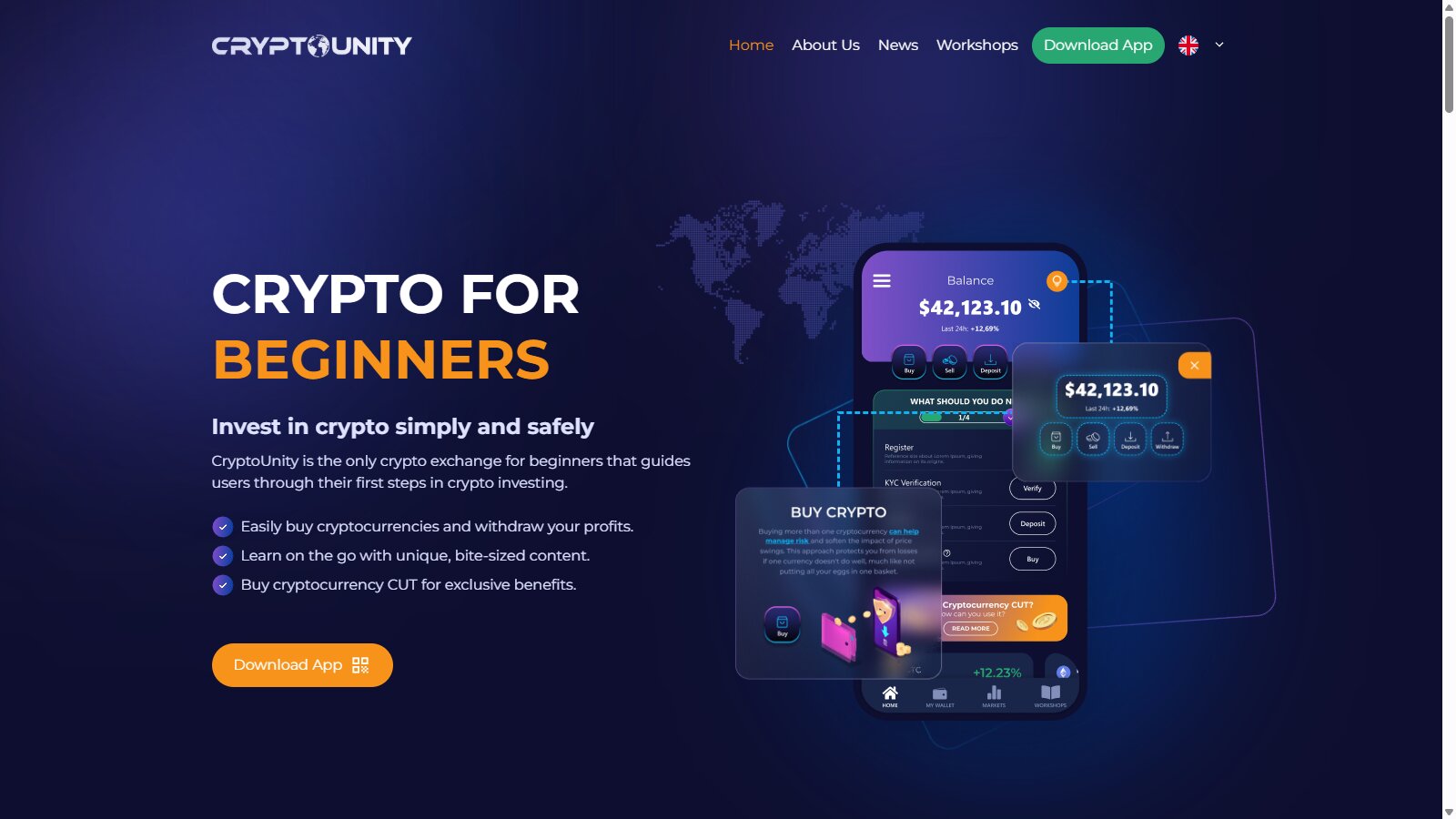
A multi-region crypto custody platform with KYC/KYB compliance, real-time webhook systems, and smart contracts. From zero to production across 8 integration phases, US + EU.
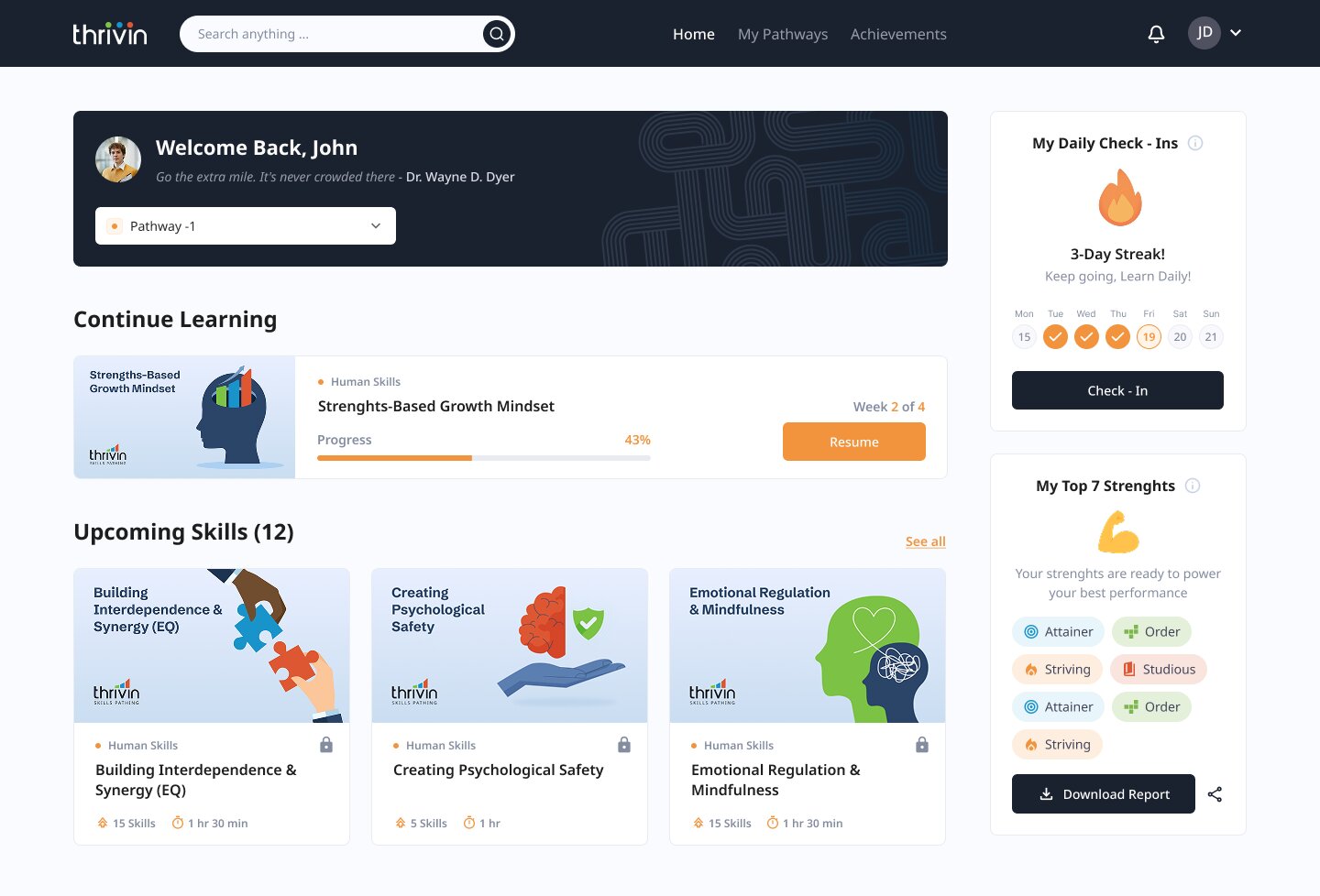
View case →A workforce development platform — web, API, and mobile — architected and built end-to-end, deployed across African markets with FIPS compliance and enterprise SSO.
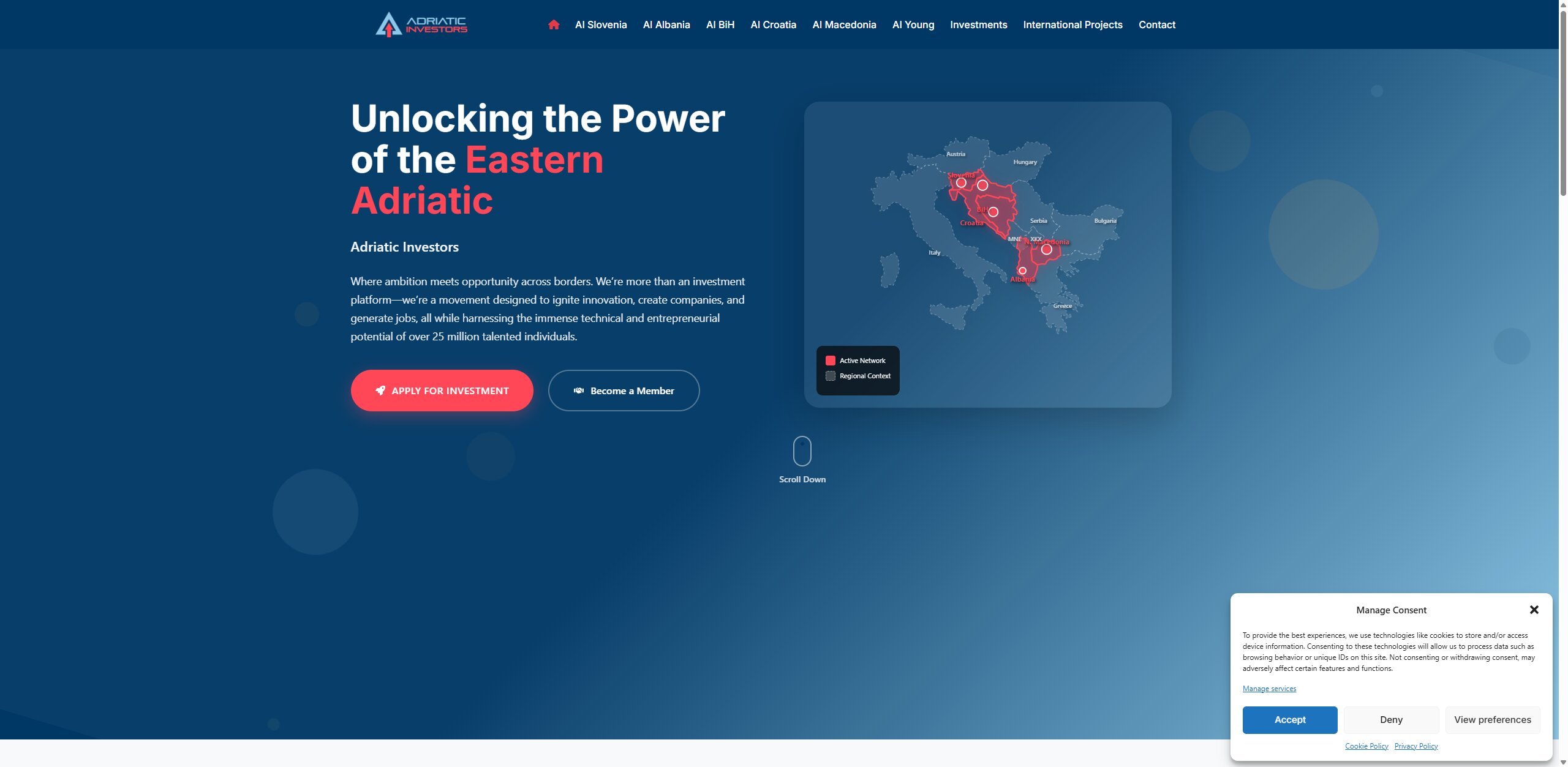
View case →An Angular research platform for Institut Jožef Stefan — a browser-based control and monitoring interface for a KUKA industrial robot arm, built over a purpose-designed REST DataProxy API.
View case →From the field
Some fractional CTO engagements.
Monthly retainer · scoped to your situation
From €2k/month (~2 days/week) up to full-week engagements. No annual lock-in — month-to-month once the initial 90-day onboarding period is complete. Starts with a free 30-minute diagnosis call. No pitch deck, no proposal theatre.
Hands-on engineering time, tool or SaaS subscriptions, third-party vendor costs.
How much of your time do I get?
Engagements run from ~2 days/week (€2k/month) to a full week. The right cadence depends on your stage and the density of decisions in front of you. We agree a weekly hours baseline and adjust quarterly.
Do you replace our existing CTO?
No. I work alongside your CTO as a sounding board and escalation path, or I fill the role temporarily while you search for a permanent hire. If you don't have a CTO and aren't ready to hire one, I can be that function.
What's the minimum commitment?
An initial 90-day onboarding period, then month-to-month. Most engagements run 6–18 months. I'm not interested in 2-week "strategy sprints" — the value comes from being in the room consistently.
Will you write code, or only advise?
Primarily advise — architecture decisions, code reviews, engineering process, vendor selection, and board-level technical narrative. If a proof-of-concept needs hands-on code to unblock a decision, I'll write it. If you need sustained engineering output, that's T2.
What if we're pre-product-market-fit?
That's often when fractional CTO input is most valuable. The decisions you make at pre-seed and seed stage — architecture, stack, team shape, build-vs-buy — are the hardest to undo at Series A. Getting them right early is cheaper than refactoring under growth pressure.
How does this compare to hiring a full-time CTO?
A full-time CTO costs €120k–€200k+ in salary, takes 3–6 months to hire, and needs time to ramp up. A fractional engagement starts in days, costs a fraction of that, and you can scale it up or down. For companies that aren't ready for a full-time executive hire, it's the right shape.