home · services · T2 · A platform that lasts years, not months.
A platform that lasts years, not months.
For companies that need more than a website or a Shopify store — SaaS, B2B portals, internal tools. Full-stack development, EU hosting, documentation and code ownership.
The gap between "we have a spec" and "the system is in production" is where most software money disappears. T2 closes that gap: architecture that survives growth, code the next developer can inherit, and a process that doesn't collapse on the first change of scope.
Diagnostic
Is this you?
If any of these sound like you — let's talk.
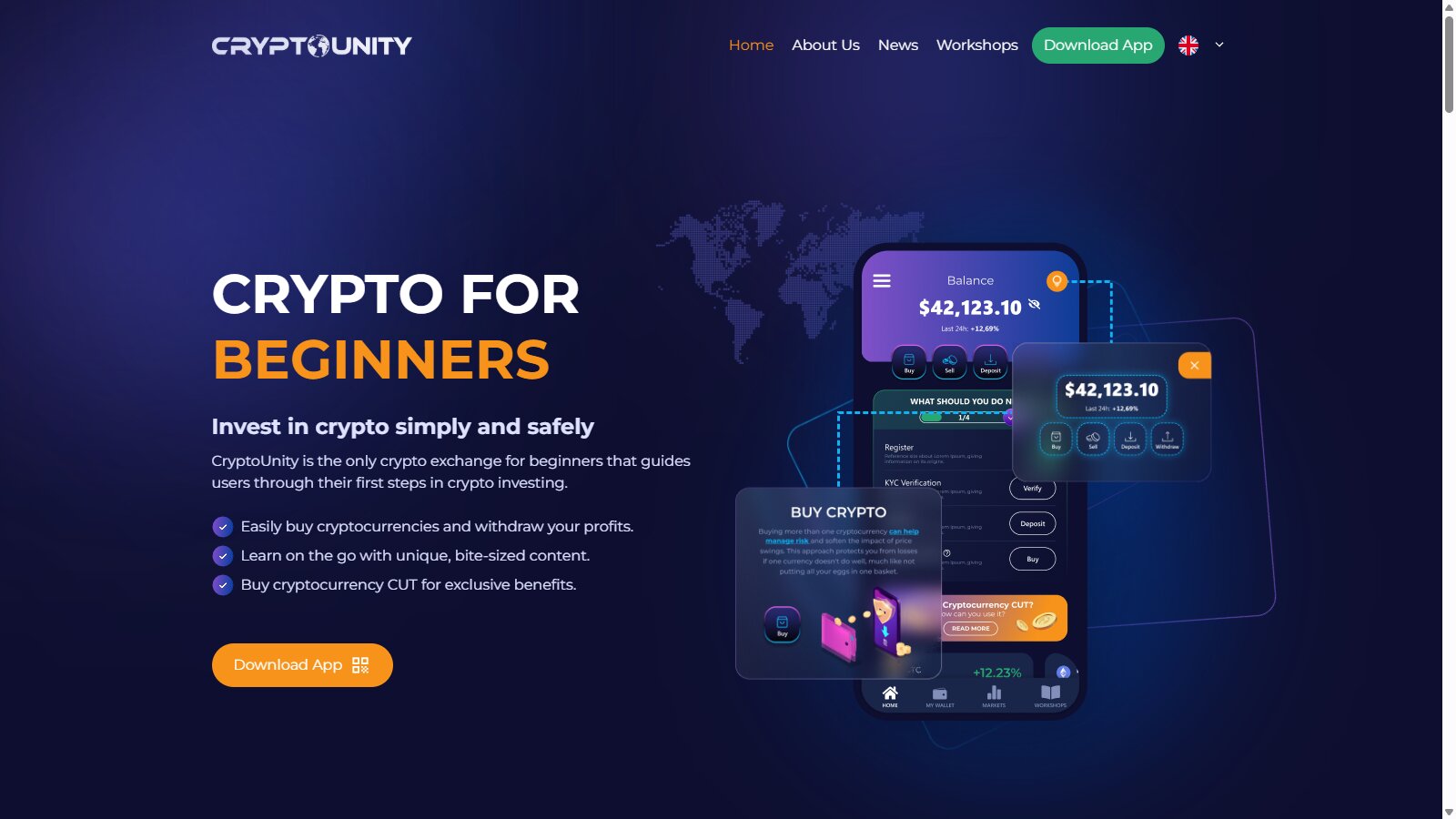
A multi-region crypto custody platform with KYC/KYB compliance, real-time webhook systems, and smart contracts. From zero to production across 8 integration phases, US + EU.
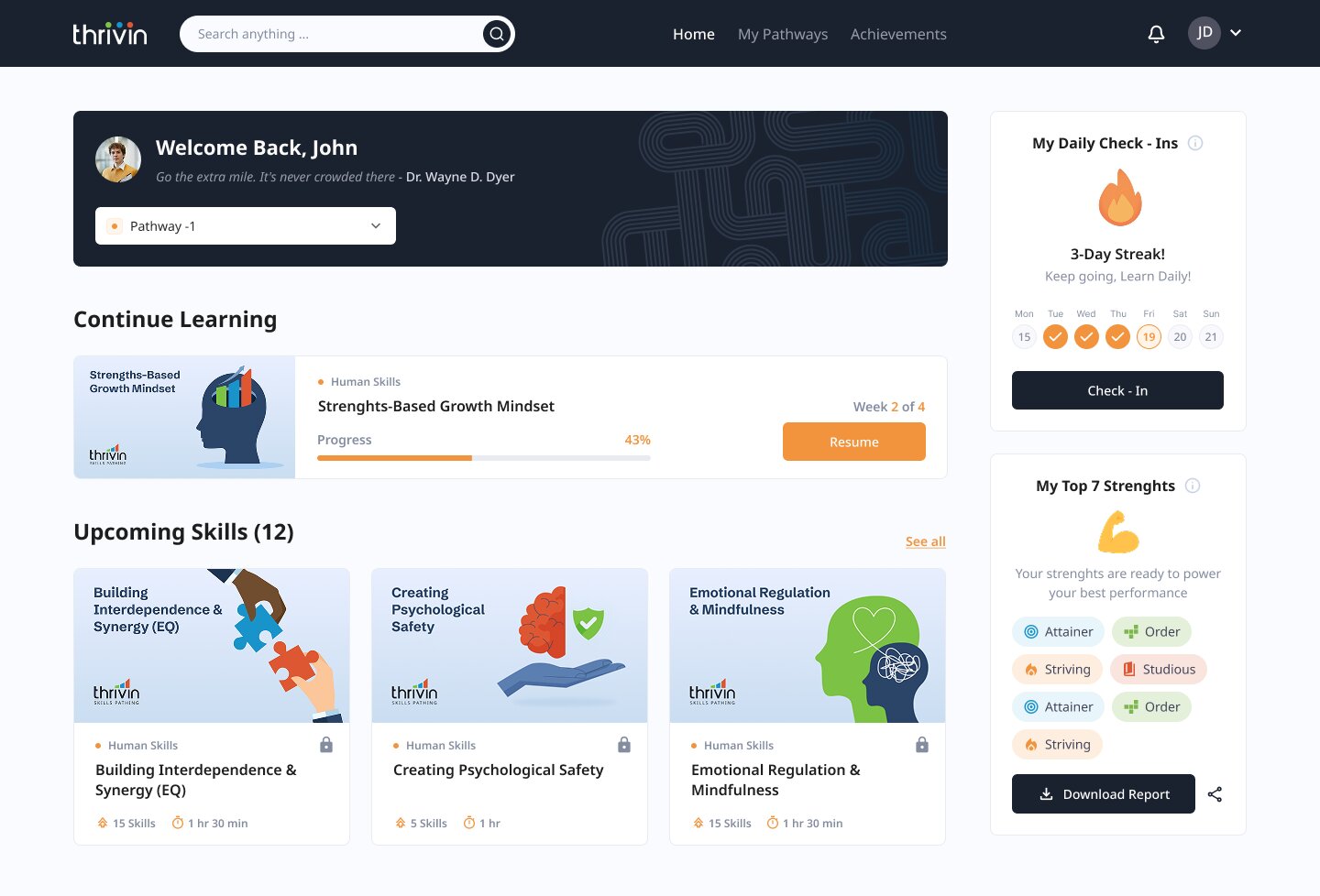
View case →A workforce development platform — web, API, and mobile — architected and built end-to-end, deployed across African markets with FIPS compliance and enterprise SSO.
View case →The first Slovenian AI assistant for comparing telecom packages — intelligent conversation, lead qualification, and a GDPR-compliant embeddable widget that drops into partner sites in minutes.
View case →A multi-agent SaaS platform that writes, optimizes, and maintains WordPress sites — seven specialized AI agents, per-site licensing, and a "thin client, smart server" architecture built entirely in PHP.
View case →A mobile-first gold investment platform where users hold and trade Universal Gold Grams (UGG) alongside Euro balances — backed by a JWT-secured ASP.NET Core admin system.
View case →From the field
A few platforms we've built.
Project-based · fixed scope where possible
From €15k for focused builds; larger multi-phase platforms run €40k–€200k+. Fixed scope + timeline where the problem is clear; T&M where it's genuinely exploratory. Every engagement starts with a written plan — approach, cost band, risk — before any code is committed.
Infrastructure and hosting costs, third-party API fees, app store fees, ongoing support after handover (T4 covers that).
Do you hire specialists or build it all yourself?
For most engagements I work as the lead architect and primary engineer. For larger projects I bring in trusted specialists — mobile, security, design — scoped and managed by me. You always have a single point of accountability.
How do you handle scope creep?
Every engagement starts with a written scope document. New requirements discovered mid-build are logged, triaged, and either folded into the current scope with a revised timeline, or deferred to a follow-on phase. Nothing is silently absorbed and invoiced later.
What's your documentation standard?
Architecture decision records (ADRs) for major choices, a runbook for deployment and incident response, and inline code documentation for anything non-obvious. You should be able to hand the codebase to a new engineer without a week of knowledge-transfer calls.
Can you ship in our existing team's stack?
Usually yes — I'm production-fluent in TypeScript/Node, PHP, Python, Kotlin, and the major cloud platforms. If your stack is something unusual, I'll say so upfront and we'll agree whether to adapt or standardise.
What happens if we need to pause mid-build?
Life happens. We'll document the current state, commit everything clean to version control with a handover note, and agree a re-entry process. Work already completed is yours — no ransom clauses.